What Is Malocclusion?
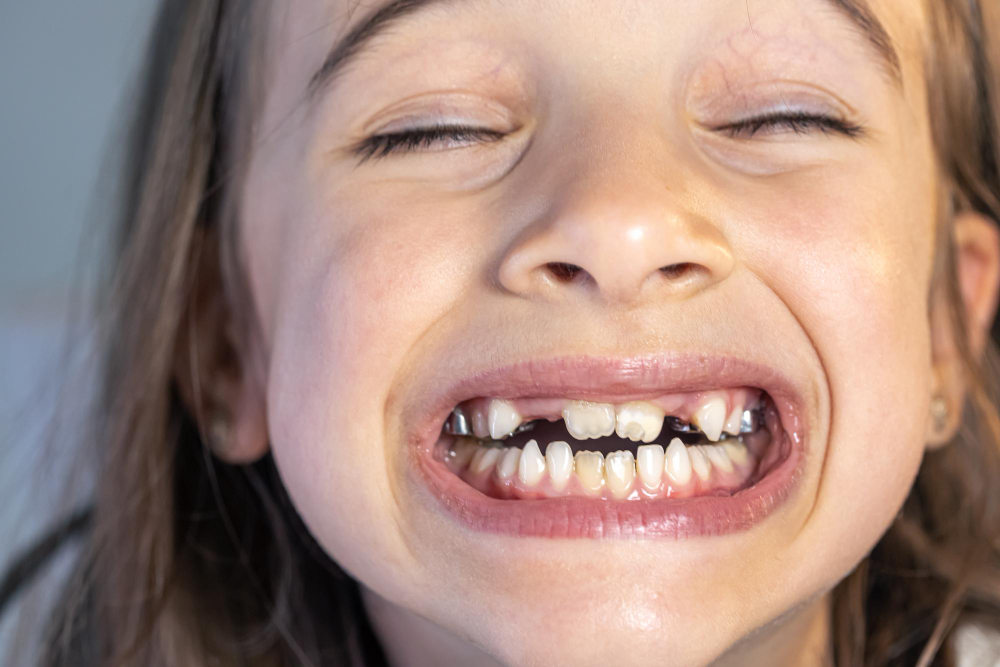
Malocclusion means your teeth are not lined up properly. In other words, your upper and lower teeth do not fit together as they should. This dental misalignment can affect your bite, smile, and even how you speak. While some people have only mild misalignment, others may face more serious issues. The root causes of malocclusion can vary, but early understanding helps in managing the problem. According to the World Health Organization (WHO), malocclusion is a common dental concern worldwide.
Common Symptoms and Signs
Recognizing malocclusion early can help prevent further dental problems. For example, you might notice these signs:
Sometimes, you may not notice any symptoms. However, regular dental check-ups can help spot early signs of dental misalignment.
Primary Root Causes of Malocclusion
Many factors can lead to malocclusion. Understanding these root causes of malocclusion can help you take steps to prevent or manage the condition. Here are the main dental misalignment causes:
Additionally, some health conditions or tumors in the mouth or jaw can also be malocclusion risk factors. But these are less common.
Diagnosis: How Dentists Identify Malocclusion
Dentists use several steps to find out if you have malocclusion. First, they look at your teeth and jaw during a dental exam. Next, they may take X-rays to see how your teeth and bones fit together. Sometimes, dentists make molds of your teeth to study your bite more closely. Because early diagnosis is important, regular dental visits are key. The American Dental Association (ADA) recommends seeing your dentist at least once a year.
Prevention Tips and Lifestyle Guidance
While you cannot change your genetics, you can lower your risk of dental misalignment. Here are some helpful tips:
Moreover, teaching children healthy habits early can make a big difference. If you notice any signs of misalignment, seek dental advice as soon as possible.
Summary
In summary, malocclusion means your teeth do not line up as they should. The root causes of malocclusion include genetics, habits, jaw size, trauma, and dental care. Early diagnosis and good habits can help prevent or manage dental misalignment. For the best results, consult a dental specialist for personalized advice on malocclusion.