What Is Enamel Hypoplasia?
Enamel hypoplasia is a dental condition where the outer layer of your teeth, called enamel, does not form properly. As a result, teeth may look thin, rough, or have white, yellow, or brown spots. Because enamel protects your teeth, weak enamel can make teeth more likely to get cavities or feel sensitive. Early enamel hypoplasia treatment can help protect your smile and keep your teeth strong.
Causes and Symptoms of Enamel Hypoplasia
There are many reasons why enamel hypoplasia can happen. Sometimes, it starts before birth or in early childhood. Other times, it develops later. Common causes include:
Symptoms of enamel hypoplasia can vary. For example, you may notice:
Because these signs can look like other dental problems, it is important to see a dentist for a proper checkup.
Diagnosis: How Dentists Identify Enamel Hypoplasia
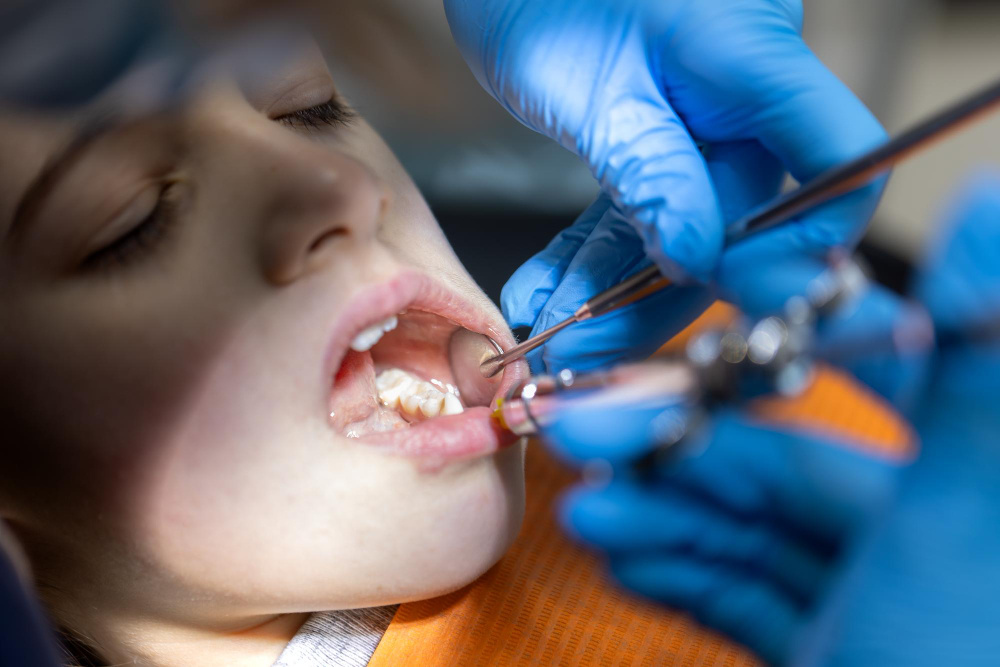
First, your dentist will look at your teeth and ask about your health history. They may use a bright light and special tools to check for thin spots, grooves, or discoloration. Sometimes, X-rays help show how deep the enamel problem goes. In some cases, your dentist may ask about family history or past illnesses. Early diagnosis is key, since it helps guide the best enamel hypoplasia treatment options for you.
Treatment Options for Enamel Hypoplasia
There are several ways to treat enamel hypoplasia. Your dentist will choose the best option based on your needs. Here are some common enamel hypoplasia treatment options:
Dental Bonding
Dental bonding uses a tooth-colored resin to cover spots or fill in rough areas. Because it blends with your natural teeth, bonding can improve how your teeth look and feel. It is a quick and painless way to treat mild enamel hypoplasia.
Veneers
Veneers are thin shells that cover the front of your teeth. They are made from porcelain or resin. Veneers can hide stains, spots, or rough enamel. For many people, veneers offer a long-lasting solution for visible enamel hypoplasia.
Crowns
Crowns are caps that cover the whole tooth. If your enamel is very thin or your tooth is weak, a crown can protect it from breaking. Crowns also help restore the shape and strength of your tooth.
Remineralization Therapies
Some treatments help rebuild minerals in your enamel. For example, fluoride treatments or special pastes can make teeth stronger. These therapies are often used for mild cases or to prevent further damage.
Preventive Care and Home Remedies
Good dental care at home is important. While home remedies cannot fix enamel hypoplasia, they can help protect your teeth. Your dentist may suggest:
For more advanced care, your dentist may recommend a combination of these treatments.
Tips for Managing Enamel Hypoplasia at Home
Even though enamel hypoplasia needs professional care, you can take steps at home to help manage it. For example:
Because enamel cannot grow back, these steps help prevent further damage and keep your teeth healthy.
Prevention: How to Protect Your Teeth
While not all cases of enamel hypoplasia can be prevented, there are ways to lower your risk. For instance:
Because early care is important, talk to your dentist if you notice any changes in your teeth. If you search for “enamel hypoplasia treatment near me,” you can find local dental experts who can help.
Conclusion
Enamel hypoplasia can affect your dental health, but many treatment options are available. With the right care, you can protect your teeth and enjoy a healthy smile. Consult a dentist for personalized advice and the best treatment options for enamel hypoplasia.
References: World Health Organization (WHO), Centers for Disease Control and Prevention (CDC)