

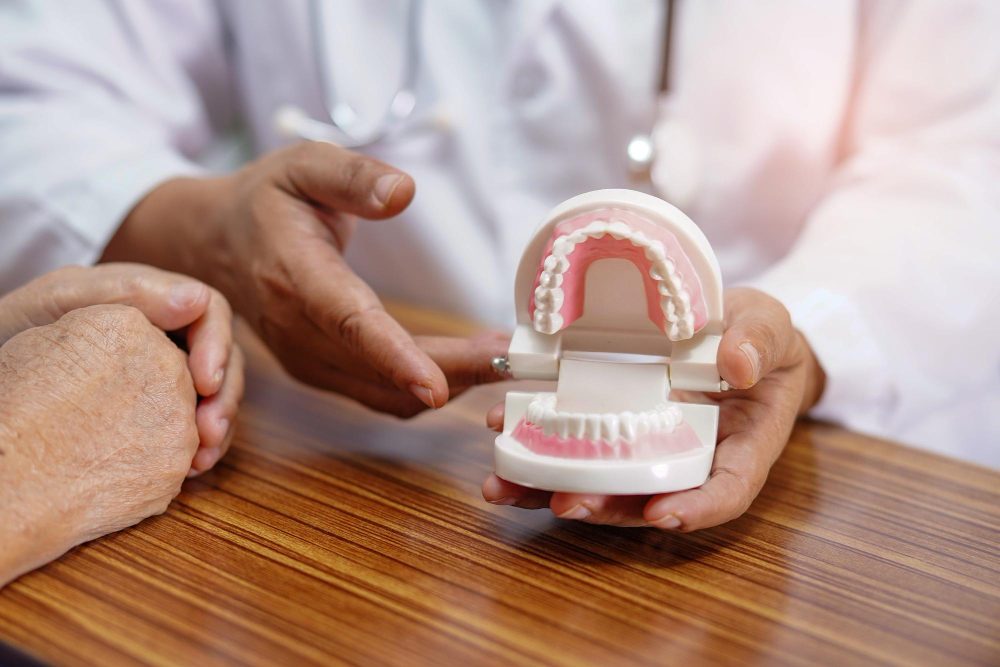
What Is Composite Restoration?
Composite restoration is a dental treatment that uses tooth-colored materials to repair teeth. Dentists often call these materials “composite resins.” They blend well with your natural teeth. Because of this, many people prefer composite restoration over silver fillings. The main goal is to restore the tooth’s shape and function. In addition, composite restoration helps improve your smile.
Common Reasons for Composite Restoration
There are several reasons why a dentist may suggest composite restoration. For example, you might need it if you have:
Sometimes, dentists also use composite restoration for cosmetic changes. This makes your teeth look even and bright.
Step-by-Step Dental Composite Procedure
Knowing what to expect can help you feel at ease. Here is a simple breakdown of the dental composite procedure:
Most composite restorations are done in one visit. However, larger repairs may take longer.
Benefits and Advantages of Composite Restoration
Composite restoration offers many benefits. For instance, it matches your natural tooth color. This makes the filling almost invisible. In addition, the procedure is quick and safe. Here are some key advantages:
Because of these benefits, many people choose composite restoration over other options.
Aftercare and Maintenance Tips
Proper care helps your composite restoration last longer. Therefore, follow these simple tips:
If you notice any pain or changes, contact your dentist right away. Early care can prevent bigger problems.
Potential Risks or Limitations
Although composite restoration is safe, there are some risks. For example, the filling may chip or wear down over time. Also, composite may stain if you drink a lot of coffee or tea. In rare cases, you might feel sensitivity after the procedure. However, this often goes away soon. If you have concerns, your dentist can help you find solutions.
Prevention and Oral Hygiene Guidance
Good oral hygiene can help prevent the need for composite restoration. Here are some helpful steps:
By following these habits, you can keep your teeth healthy and strong.
Conclusion
In summary, composite restoration is a safe and effective way to repair teeth. It offers many benefits, such as a natural look and quick treatment. With proper care, your tooth-colored fillings can last for years. Consult your dentist to find out if composite restoration is right for you.