What Are Dental Bridges?
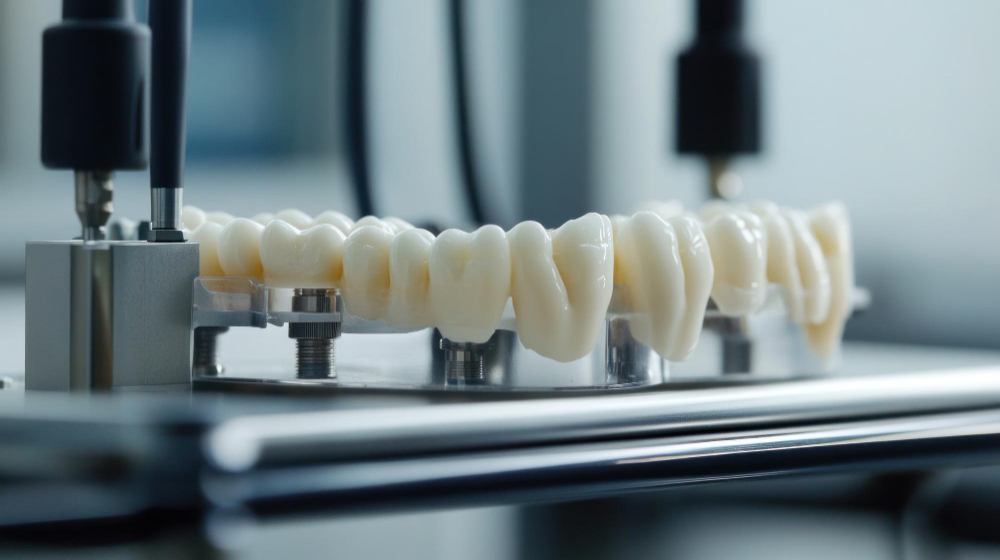
Dental bridges are devices that fill gaps left by missing teeth. They use one or more artificial teeth to restore your smile. Usually, a dental bridge attaches to the teeth on either side of the gap. According to the American Dental Association, dental bridges help you chew, speak, and keep your mouth healthy.
There are several types of dental bridges:
Each type has its own benefits. Your dentist will help you choose the best one for your needs.
Who Needs Dental Bridges?
Many people wonder, “Who needs dental bridges?” If you have one or more missing teeth, you might be a good candidate. Missing teeth can cause problems with chewing and speaking. Over time, nearby teeth may shift into the empty space. This can change your bite and lead to jaw pain.
Dental bridges are often recommended if you:
However, not everyone is a candidate. Your dentist will check your oral health first. They may suggest other options if your gums or teeth are not healthy enough.
How Do Dental Bridges Work?
Many people ask, “How do dental bridges work?” The dental bridge procedure is simple and safe. First, your dentist prepares the teeth next to the gap. They may shape these teeth to hold crowns. Next, the dentist takes an impression of your mouth. This helps create a bridge that fits perfectly.
While you wait for your permanent bridge, you may get a temporary one. Once the final bridge is ready, your dentist will fit and adjust it. Then, they cement it in place. The bridge fills the gap and looks like your natural teeth. You can eat and speak more easily after the procedure.
Benefits and Potential Risks of Dental Bridges
Dental bridges offer many benefits. For example, they:
However, there are some risks. Sometimes, the teeth that support the bridge can become weak or decayed. In rare cases, the bridge may become loose or break. Good oral care can lower these risks. According to the CDC, regular dental visits help spot problems early.
Care and Maintenance Tips for Dental Bridges
Proper dental bridge care is important. With good habits, your bridge can last many years. Here are some tips:
With these steps, you can keep your bridge and mouth healthy.
Prevention and Oral Health Guidance Related to Dental Bridges
Even if you have dental bridges, prevention is key. Good oral health helps your bridge last longer. For example, eat a balanced diet and limit sugary snacks. Drink plenty of water to wash away food particles. If you grind your teeth at night, ask your dentist about a mouthguard.
Most importantly, keep up with dental visits. Your dentist can check your bridge and spot any issues early. This helps prevent bigger problems later.
Conclusion
Dental bridges can restore your smile and improve your quality of life. They fill gaps, help you chew, and keep your teeth in place. However, proper care is important for long-lasting results. Consult a dental specialist to find out if dental bridges are right for you.