What Are Dental Bridges?
Dental bridges are a common way to replace missing teeth. They fill the gap where one or more teeth are lost. In many cases, dental bridges use nearby teeth for support. As a result, they help restore missing teeth and improve chewing. Dentists often suggest bridges as an effective oral health solution.
Unlike removable dentures, bridges stay fixed in your mouth. This means you do not have to take them out at night. Instead, they act like natural teeth and help you eat and speak better. According to the American Dental Association, bridges are safe and widely used.
Common Causes of Missing Teeth
Many people lose teeth for different reasons. For example, tooth decay is a leading cause. Gum disease, also called periodontitis, can also lead to tooth loss. Sometimes, accidents or injuries knock out teeth. In rare cases, some people are born without certain teeth.
Because missing teeth can affect chewing and speech, it is important to find oral health solutions quickly.
How Dental Bridges Work
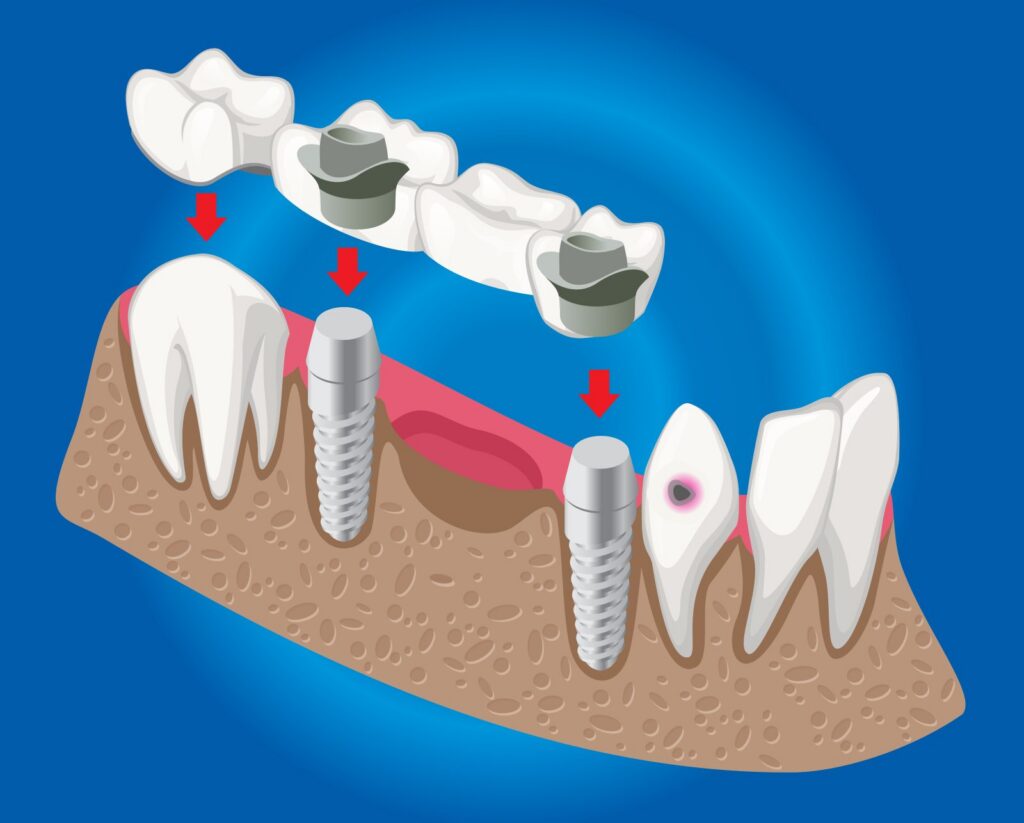
Dental bridges use one or more artificial teeth to fill a gap. First, the dentist prepares the teeth next to the gap. These teeth, called abutment teeth, hold the bridge in place. Then, the dentist attaches the bridge, which includes the replacement tooth, called a pontic.
Since the bridge is fixed, it does not move when you eat or talk. This helps restore missing teeth and keeps your bite even. In addition, bridges help prevent other teeth from shifting out of place.
Types of Dental Bridges
There are several types of dental bridges. Each type works best for certain needs. Therefore, your dentist will help you choose the right one.
Because each type has pros and cons, it is important to discuss options with your dentist.
Benefits of Dental Bridges for Oral Function
Dental bridges offer many benefits for oral health. For instance, they help restore missing teeth and improve chewing. With a bridge, you can eat a wider range of foods. This means you get better nutrition.
In addition, bridges help you speak more clearly. Missing teeth can make it hard to say certain words. Also, bridges keep your other teeth in place. This stops them from moving and causing bite problems.
According to the CDC, good oral function is key to overall health.
The Dental Bridge Procedure: Step-by-Step
The dental bridge procedure usually takes two or more visits. First, the dentist checks your mouth and takes X-rays. Next, the dentist prepares the abutment teeth by shaping them. This makes room for the crowns that will hold the bridge.
After that, the dentist takes a mold of your teeth. This mold helps make a custom bridge. While you wait, you may get a temporary bridge to protect your teeth. At the next visit, the dentist fits the permanent bridge and checks the bite. Finally, the bridge is cemented in place.
Because the process is gentle, most people feel little pain. However, your dentist will explain each step before starting.
Caring for Dental Bridges: Tips and Best Practices
Proper care helps your dental bridge last longer. For example, brush your teeth twice a day with a soft brush. Floss daily, using special floss to clean under the bridge. Many dentists suggest using a water flosser for hard-to-reach spots.
Since bridges rely on healthy teeth and gums, good oral care is important. If you notice pain or the bridge feels loose, contact your dentist right away.
Potential Risks and Complications
While dental bridges are safe, some risks may occur. For instance, the abutment teeth can get cavities or gum disease. Sometimes, the bridge may become loose or fall out. Rarely, you may feel discomfort or have trouble biting.
Because regular dental visits help catch problems early, it is wise to see your dentist as recommended. The CDC and dental journals agree that early care prevents most issues.
Prevention of Tooth Loss
Preventing tooth loss is the best way to avoid needing a dental bridge. Good oral habits make a big difference. For example, brush and floss daily to remove plaque. Eat a balanced diet low in sugar. In addition, visit your dentist for check-ups and cleanings.
Because early care keeps your teeth healthy, you can lower your risk of tooth loss. The World Health Organization and CDC both stress the value of daily oral care for lifelong health.