What Is a Knocked-Out Tooth?
A knocked-out tooth is also called an avulsed tooth. This means the tooth has come out of its socket in the mouth. Often, this happens suddenly and can be scary. However, quick action can help save the tooth. Knowing what to do if a tooth is knocked out is important for everyone.
Common Causes of Knocked-Out Teeth
Many things can cause a knocked-out tooth. For example, children and adults may lose a tooth during sports. Sometimes, falls or accidents at home or work lead to this injury. In addition, fights or rough play can also cause teeth to come out. According to the American Dental Association, sports injuries are a leading cause in children and teens.
Immediate Symptoms and What to Look For
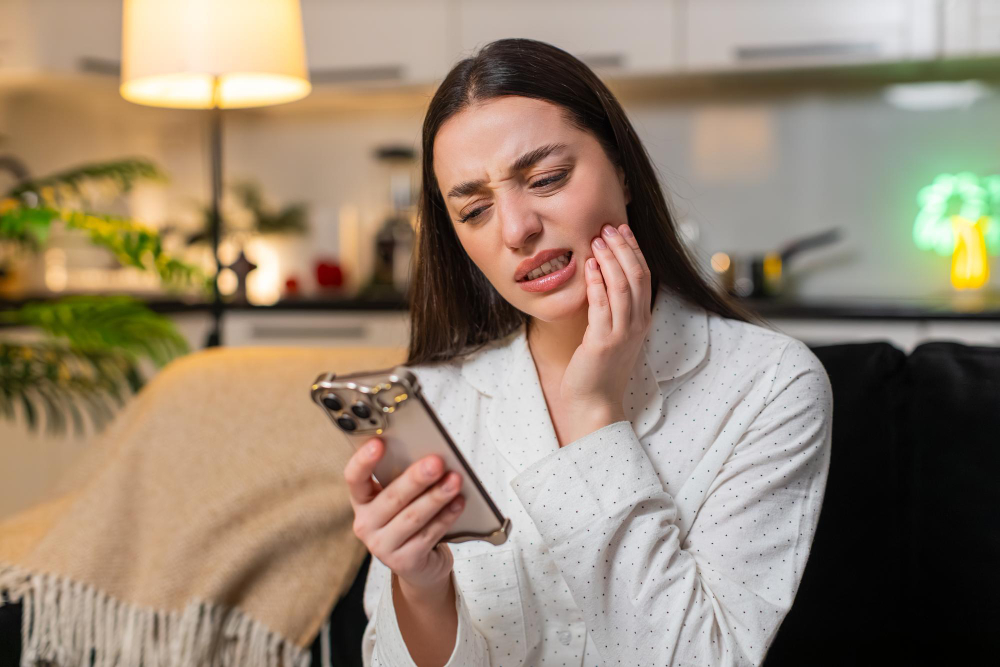
After a tooth is knocked out, you may notice several signs. First, there will likely be bleeding from the empty socket. Next, pain or swelling in the gums is common. Sometimes, the area around the tooth feels numb. You may also see the tooth on the ground or in the mouth. If the tooth is dirty, it is important to handle it with care.
Step-by-Step First Aid Actions to Take in the First 30 Minutes
Acting fast can help save a knocked-out tooth. The first 30 minutes are very important. The American Dental Association recommends these steps for first aid for an avulsed tooth:
What to Avoid After a Tooth Is Knocked Out
Some actions can harm the tooth or lower the chance of saving it. Therefore, avoid these common mistakes:
When and How to Seek Emergency Dental Care
After a tooth is knocked out, time is critical. For the best chance to save the tooth, visit an emergency dentist within 30 to 60 minutes. Many dental clinics offer emergency dental care for knocked-out teeth. If you are searching for help, look for an emergency dentist near you. Bring the tooth with you, kept moist in milk or saline. Let the dental team know what happened and when.
Tips for Prevention of Dental Injuries
While accidents can happen, you can lower your risk. For instance, wearing a mouthguard during sports protects teeth. In addition, avoid chewing hard foods like ice or hard candy. At home, keep floors clear to prevent falls. Children should not run with objects in their mouths. Regular dental checkups also help keep teeth strong and healthy.