

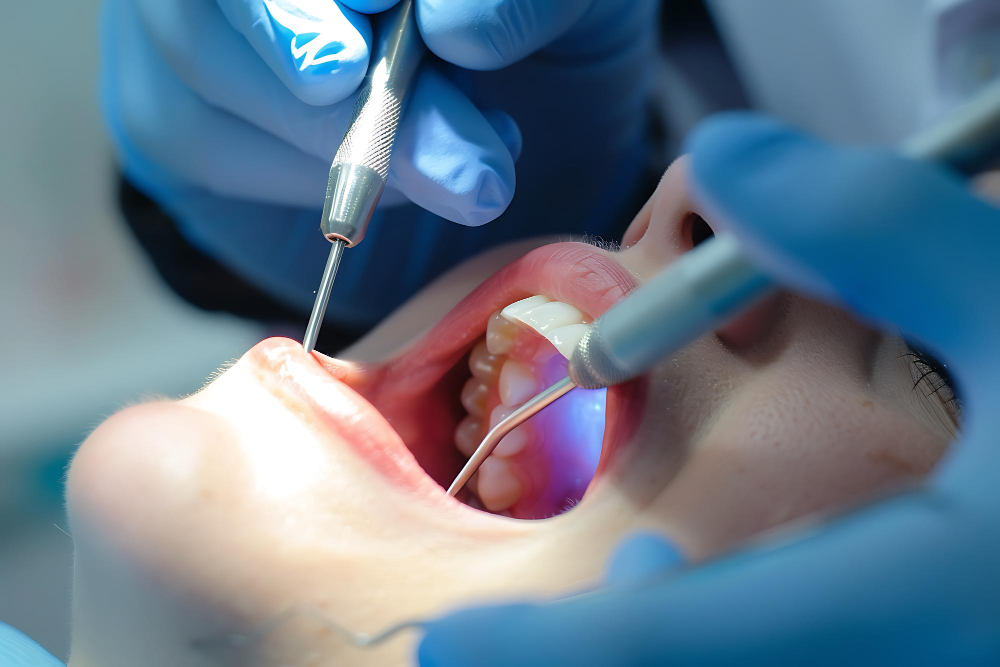
Introduction to Root Canal Treatment
Many people feel nervous when they hear about root canal treatment. However, this dental procedure can save your tooth and relieve pain. Root canal treatment is a common way to treat an infected or damaged tooth. In this blog, you will learn what to expect, the benefits, and how to care for your tooth after the procedure.
What Is Root Canal Treatment?
Root canal treatment is a dental procedure that removes infection from inside your tooth. Dentists use this treatment to save teeth that might otherwise need to be removed. During the procedure, the dentist cleans out the infected pulp, which is the soft tissue inside the tooth. Then, the tooth is filled and sealed to prevent further problems. According to the American Dental Association, root canal treatment is safe and effective.
Common Symptoms Indicating the Need for a Root Canal
Sometimes, it is hard to know if you need a root canal. However, certain signs can help you decide when to see your dentist. Watch for these symptoms:
If you notice any of these symptoms, it is important to visit your dentist soon. Early treatment can help save your tooth.
Causes Leading to Root Canal Treatment
Many factors can lead to the need for a root canal procedure. Often, these causes are linked to tooth decay or injury. Here are some common reasons:
Because these problems can worsen over time, early care is important. Regular dental checkups can help catch issues before they become serious.
Step-by-Step Diagnosis and Procedure Overview
First, your dentist will examine your tooth and may take X-rays. This helps them see the extent of the infection. Next, they will discuss the root canal procedure with you. Here is what usually happens during a root canal treatment:
Most root canal procedures take one or two visits. Although you may feel nervous, the treatment is usually no more uncomfortable than getting a filling.
Benefits of Root Canal Treatment
Root canal treatment offers many benefits. Not only does it relieve pain, but it also helps you keep your natural tooth. Here are some key benefits:
Because root canal treatment saves your tooth, it is often the best choice for long-term dental health.
Aftercare Tips and Recovery Guidance
After your root canal procedure, proper care is important for healing. Most people recover quickly, but you may feel some soreness for a few days. To help your recovery, follow these tips:
With good aftercare, your tooth can last as long as your other teeth. Always follow your dentist’s instructions for the best results.
Prevention of Future Dental Issues
Although root canal treatment can save your tooth, prevention is always better. To lower your risk of future dental problems, try these steps:
By following these habits, you can keep your teeth healthy and avoid the need for more dental work.
Conclusion
Root canal treatment is a safe and effective way to save a damaged tooth. With proper care, you can enjoy a healthy smile for years to come. If you have symptoms or concerns, consult your dentist for personalized advice about root canal treatment.