Introduction
Scaling and deep cleaning play a big role in keeping your mouth healthy. These dental treatments remove harmful plaque and tartar from your teeth and gums. As a result, they help prevent gum disease and tooth loss. Many people do not realize how important regular dental cleaning is for their overall health. In fact, the American Dental Association (ADA) recommends these procedures to protect your teeth and gums. If you want a bright smile and fresh breath, scaling and deep cleaning are essential steps in your oral hygiene routine.
What Is Scaling and Deep Cleaning?
Scaling and deep cleaning are special dental procedures. Dentists use them to remove plaque and tartar that regular brushing cannot reach. Plaque is a sticky film of bacteria. Over time, it hardens into tartar, which can damage your teeth and gums.
Both steps are often done together for the best results. Sometimes, your dentist may use special tools or ultrasonic devices for a thorough cleaning.
Why Is Scaling and Deep Cleaning Important?
First, scaling and deep cleaning help stop gum disease from getting worse. Gum disease, also called periodontitis, can lead to tooth loss if left untreated. In addition, these procedures remove bacteria that cause bad breath and bleeding gums. According to the CDC, untreated gum disease can also affect your overall health. For example, it may raise your risk for heart disease and diabetes. Therefore, regular dental cleaning is key for both oral and general health.
Signs You May Need Scaling and Deep Cleaning
Not everyone knows when they need a deep dental cleaning. However, some signs can help you decide when to visit your dentist. Watch for these symptoms:
If you notice any of these signs, it is wise to schedule a dental checkup soon. Early treatment can prevent bigger problems later.
The Procedure: What to Expect
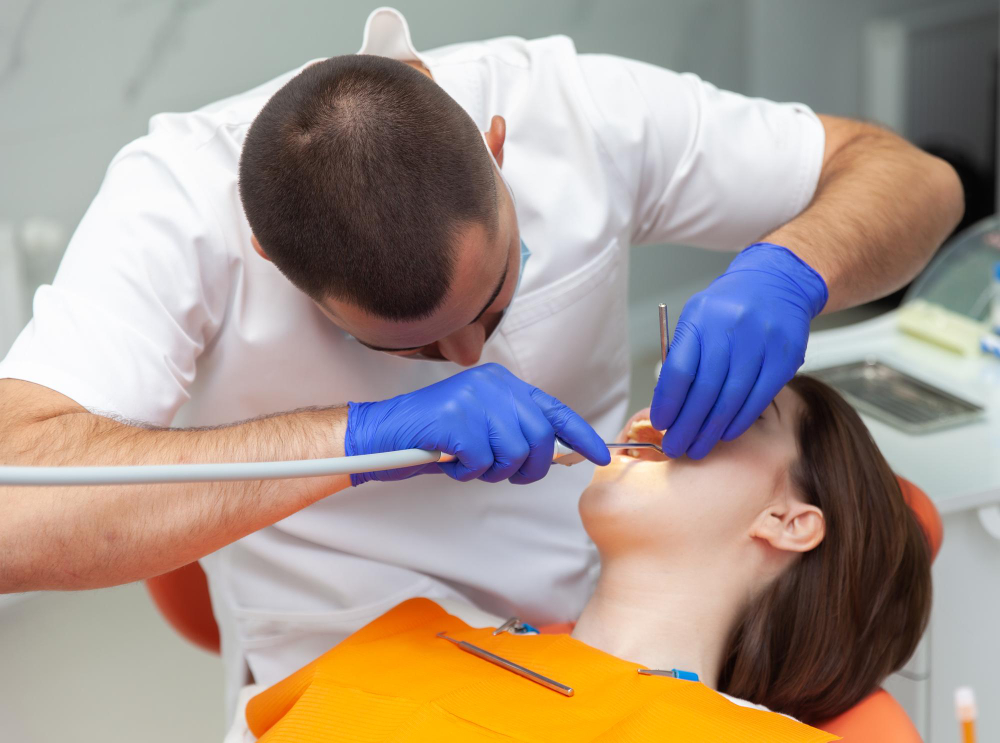
Many people feel nervous about dental cleaning. However, knowing what to expect can help ease your worries. First, your dentist will examine your mouth and gums. Next, they will use special tools to remove plaque and tartar from your teeth and under your gums. Sometimes, they may numb your gums to keep you comfortable. The process may take one or more visits, depending on how much cleaning you need. Afterward, your dentist may give you tips to care for your teeth at home.
Benefits of Regular Scaling and Deep Cleaning
There are many reasons to get regular dental cleanings. Some of the top benefits include:
Moreover, regular cleaning can save you money by preventing costly dental treatments in the future. Your dentist can also spot early signs of problems during these visits.
Risks and Myths
Some people worry about risks or believe myths about dental cleaning. However, scaling and deep cleaning are safe when done by a trained dentist. You may feel mild soreness or sensitivity after the procedure, but this usually goes away quickly. Some myths claim that deep cleaning weakens teeth, but this is not true. In fact, it helps protect your teeth and gums. Always talk to your dentist if you have concerns or questions.
Aftercare and Maintenance Tips
After scaling and deep cleaning, it is important to care for your mouth. Here are some helpful tips:
Following these steps will help your gums heal and keep your mouth healthy.
Prevention: Keeping Your Teeth and Gums Healthy
Preventing gum disease is easier than treating it. Therefore, good oral hygiene is key. Brush and floss every day. In addition, limit sugary snacks and drinks. Drink plenty of water to wash away food particles. Most importantly, see your dentist for regular exams and cleanings. Early care can stop problems before they start. Healthy habits at home and regular dental visits work together to keep your smile bright.
For more information, you can visit trusted sources like the American Dental Association (ADA) or the Centers for Disease Control and Prevention (CDC).
Call to Action: Consult your dentist for personalized advice on scaling and deep cleaning. Your oral health matters every day.