
Introduction
Dental implants are a popular way to replace missing teeth. They look and feel like natural teeth. Many people wonder if they are a good candidate for dental implants. In most cases, dental implants offer a strong, long-lasting solution. However, not everyone is suitable for this treatment. This blog will help you understand if dental implants are right for you.
What Are Dental Implants?
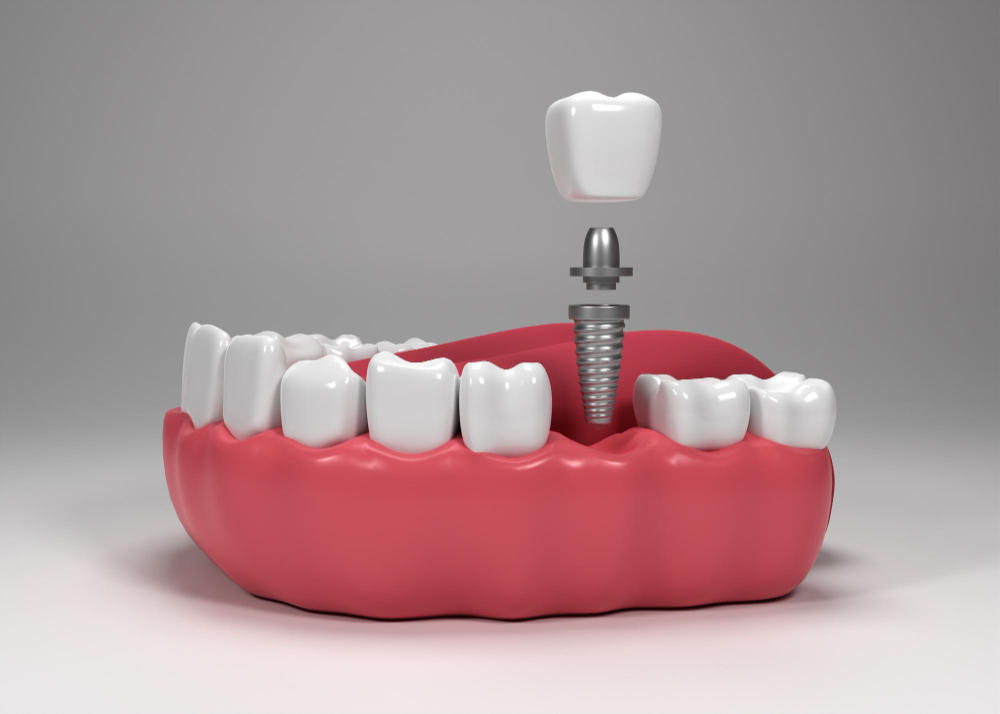
Dental implants are small posts made of titanium. Dentists place them into the jawbone. After healing, they support a crown, bridge, or denture. Because they fuse with the bone, implants are stable and secure. Unlike removable dentures, implants stay in place. They help you eat, speak, and smile with confidence.
Benefits of Dental Implants
Dental implants offer many advantages over other tooth replacement options. For example, they:
In addition, dental implants do not require support from nearby teeth. This helps protect your remaining natural teeth.
Who Is a Good Candidate for Dental Implants?
Most healthy adults can be good candidates for dental implants. Still, there are some important factors. Generally, you may be a good candidate if you:
For many people, dental implants are a safe and effective choice. However, your dentist will check your mouth and health history before making a decision.
Factors That May Affect Candidacy
Several things can affect if you are a good candidate for dental implants. Let’s look at the main factors:
Even if you have some of these issues, you may still qualify. Your dentist can suggest ways to improve your chances.
Who May Not Be Suitable for Dental Implants?
While many people can get dental implants, some may not be suitable. For instance, you may not be a good candidate if you:
However, each case is different. Sometimes, treatment can help you become a candidate in the future.
How to Assess Your Suitability
To find out if you are a good candidate for dental implants, you need a dental consultation. During this visit, your dentist will:
After this assessment, your dentist will explain your options. Sometimes, extra steps like bone grafting may be needed before you get implants.
Frequently Asked Questions
Conclusion
Dental implants can restore your smile and improve your quality of life. However, not everyone is a good candidate for dental implants. The best way to know is to see a dental specialist. They can assess your needs and help you decide. Consult a dental specialist to find out if dental implants are right for you.
Sources: American Dental Association, Centers for Disease Control and Prevention, peer-reviewed dental journals.