What Are Dental Veneers?
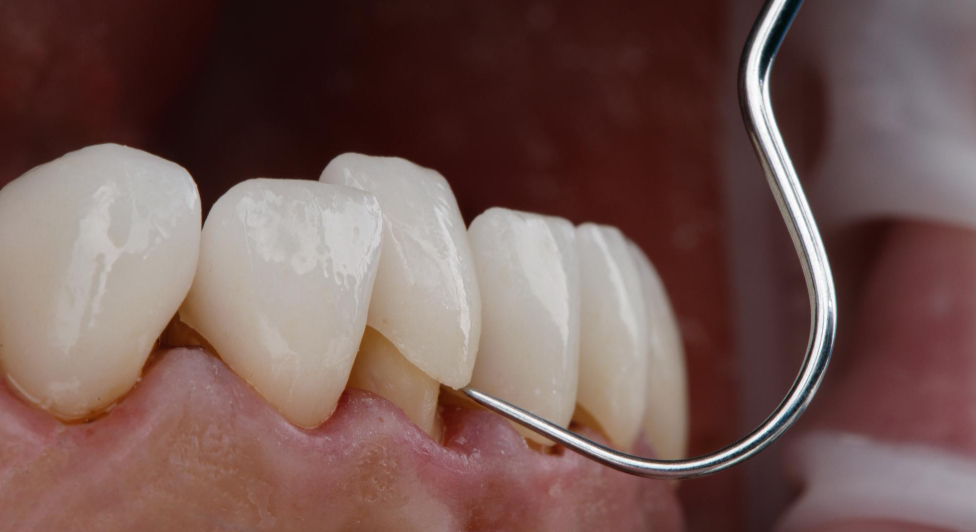
Dental veneers are thin shells made from porcelain or resin. Dentists place them on the front of your teeth. Because they cover the visible part, they can change the color, shape, or length of teeth. Many people choose dental veneers as part of cosmetic dentistry. According to the American Dental Association (ADA), veneers are a safe and common way to improve tooth aesthetics.
Common Reasons for Choosing Dental Veneers
People pick dental veneers for many reasons. For example, some want to fix chipped or broken teeth. Others want to close gaps or cover stains that do not go away with whitening. In addition, veneers can help if teeth are worn down or uneven. Many patients look for a smile makeover or want to boost their confidence. Sometimes, people search for “dental veneers near me” to find local cosmetic dentistry services.
How Dental Veneers Improve Smile Appearance
Dental veneers can quickly change the look of your smile. For instance, they can make teeth look whiter and straighter. Because veneers are custom-made, they match your natural teeth. As a result, your smile appears more balanced and bright. Many people say veneers help them feel more comfortable when they smile or speak. Also, veneers reflect light like real teeth, so they look very natural. This is why they are a popular choice for a smile makeover.
The Dental Veneer Procedure: Step-by-Step
Getting dental veneers usually takes two or three visits. First, your dentist will check your teeth and discuss your goals. Next, they may remove a small amount of enamel from the front of your teeth. This step helps the veneers fit well. Then, your dentist takes a mold or scan of your teeth. While you wait for the lab to make your veneers, you may get temporary ones. Once the veneers are ready, your dentist will bond them to your teeth. Finally, they check the fit and make small adjustments if needed.
Types of Dental Veneers
There are two main types of dental veneers. Porcelain veneers are very strong and look like natural teeth. They resist stains and can last many years. On the other hand, resin or composite veneers are less costly and need less tooth removal. However, they may not last as long as porcelain veneers. Your dentist will help you choose the best type for your needs and budget. Both options can improve tooth aesthetics and smile appearance.
Benefits and Potential Risks of Dental Veneers
Dental veneers offer many benefits. For example, they can quickly improve the look of your teeth. They also resist stains better than natural teeth. In addition, veneers are custom-made for each person. However, there are some risks. Sometimes, veneers can chip or come loose. Also, the process is not reversible because some enamel is removed. Rarely, people may feel tooth sensitivity after the procedure. According to the ADA, most people are happy with their results. Still, it is important to talk to your dentist about the risks and benefits.
Caring for Dental Veneers and Longevity Tips
With proper care, dental veneers can last many years. For best results, brush and floss daily. It is also wise to visit your dentist for regular check-ups. Try not to bite hard objects, such as ice or pens, as this can damage veneers. Although veneers resist stains, it helps to limit coffee, tea, and red wine. If you grind your teeth at night, your dentist may suggest a mouth guard. Good care helps keep your smile makeover looking great.
Who Is a Good Candidate for Dental Veneers?
Not everyone is a good fit for dental veneers. For example, you need healthy teeth and gums. If you have tooth decay or gum disease, your dentist will treat these first. Also, people who grind or clench their teeth may need extra care. If you want to change the color, shape, or size of your teeth, veneers may be right for you. Many people ask their dentist about cosmetic dentistry options, including porcelain veneers, to see if they qualify.
Frequently Asked Questions About Dental Veneers
Do dental veneers hurt?
Most people feel little to no pain. Sometimes, there is mild sensitivity after the procedure, but it goes away soon.
How long do dental veneers last?
Porcelain veneers can last 10 to 15 years or longer with good care. Composite veneers may last 5 to 7 years.
Can I eat normally with veneers?
Yes, you can eat most foods. However, avoid biting very hard items to protect your veneers.
Are dental veneers permanent?
Veneers are not reversible because some enamel is removed. However, they can be replaced if needed.
How do I find dental veneers near me?
You can search online or ask your dentist about cosmetic dentistry services in your area.